Understand macros, micronutrients, meal timing, and the science of fueling your body at peak performance.
Good nutrition isn't about perfection — it's about consistently making choices that support your energy, mental clarity, and long-term health.
It starts with understanding the three pillars: macronutrients (carbs, protein, fat), micronutrients (vitamins and minerals), and meal timing. Together, these form the foundation of optimal nutrition.
Explore RecipesEvery calorie you consume is made up of three macronutrients. Here's a balanced starting point for most healthy adults.
Your body's primary energy source. Focus on complex carbs: oats, quinoa, sweet potato, legumes, and whole grains.
Essential for muscle repair, immune function, and satiety. Aim for 0.7–1g per pound of body weight daily.
Critical for brain health and hormone production. Avocado, olive oil, nuts, and fatty fish are top sources.
Crucial for bone density, immune support, and mood regulation. Most people are deficient.
Powerful antioxidant that supports collagen production and immune function.
Vital for oxygen transport in the blood. Low iron causes fatigue and poor concentration.
Essential for bone strength, muscle contractions, and nerve signaling.
Involved in 300+ enzymatic reactions. Supports sleep, stress response, and energy.
Anti-inflammatory essential fatty acids critical for heart and brain health.
Supports nerve function and DNA synthesis. Vital for vegans/vegetarians to supplement.
Supports immune function, wound healing, and protein synthesis.
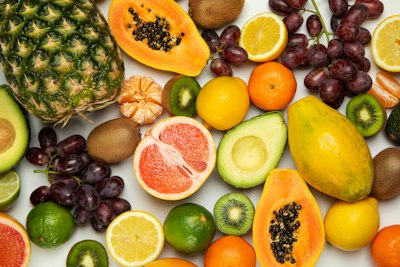
Different colored fruits and vegetables contain different phytonutrients. Aim for 5+ colors a day.
Starting your day with protein stabilizes blood sugar and reduces cravings throughout the day.
Drink at least 8 glasses of water daily. Many hunger signals are actually thirst in disguise.
If it has more than 5 ingredients or ingredients you can't pronounce, eat it sparingly.
Avocado, olive oil, and nuts support brain health and help absorb fat-soluble vitamins.
High protein, complex carbs to fuel your morning
Small snack if needed: fruit, nuts, or yogurt
Balanced meal with protein, fiber, and healthy fat
Light snack to avoid energy crashes before dinner
Lighter meal; avoid heavy carbs late at night